
Hair Growth Oil, Shine & Scalp Health | Trending Ingredients and Expert Rituals
In the ever-evolving world of beauty, the “Hair Oil” has transcended its status as a simple kitchen-cupboard remedy. In 2026, hair oiling is no longer just a tradition; it is a high-tech science and a cornerstone of the “Skinification of Hair” movement. Whether you are battling thinning edges, persistent frizz, or a dry, inflamed scalp, the right hair growth oil can be the difference between a “good hair day” and a lifetime of hair health.
At Calvity.com, we’ve analyzed the top-selling formulas, the most viral ingredients, and the clinical data behind the market’s leading products. This comprehensive guide breaks down the essential categories of hair oils, helping you navigate the shelf like a pro.
1. The Growth Powerhouses: Rosemary, Batana and Stimulating Blends
When consumers search for a hair oil for hair growth, they are looking for more than just shine—they are looking for follicular reactivation. The market in 2026 is dominated by “Stimulating Oils” that focus on the scalp environment and blood circulation.
Rosemary Oil: The Science-Backed Legend
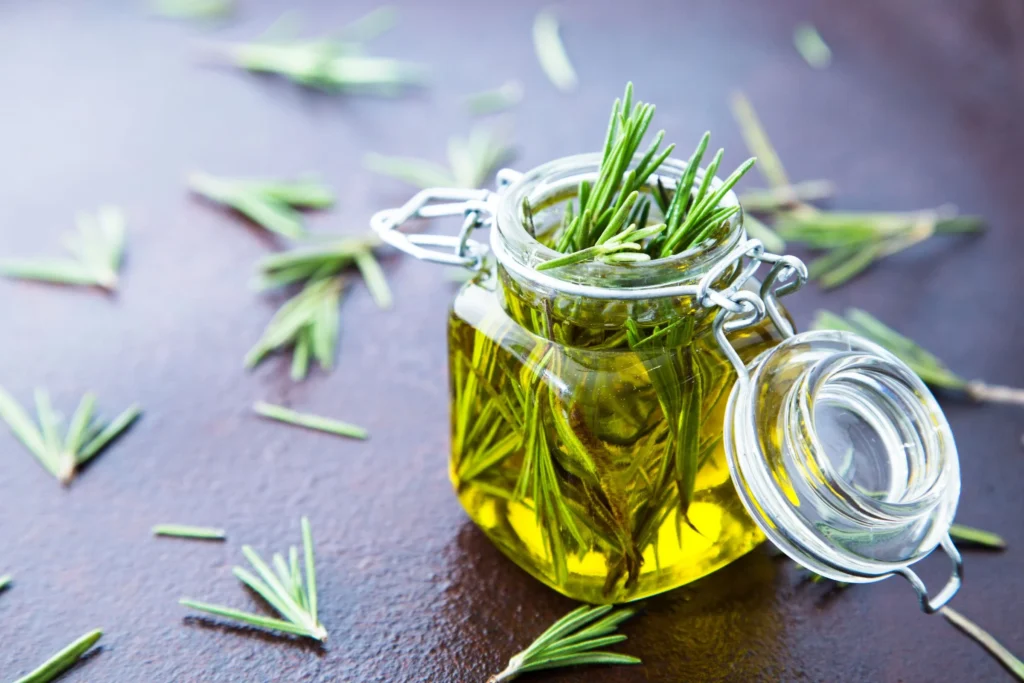
Rosemary oil remains the top-searched hair oil globally. Clinical studies (comparing it to 2% Minoxidil) have shown that its ability to improve blood circulation to the scalp is unparalleled. It works by inhibiting DHT (dihydrotestosterone), the hormone responsible for androgenetic alopecia.
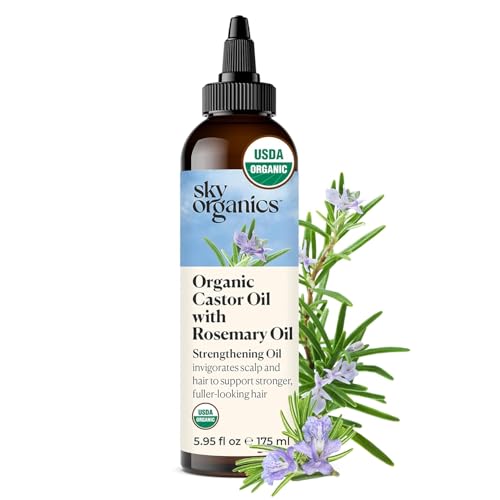


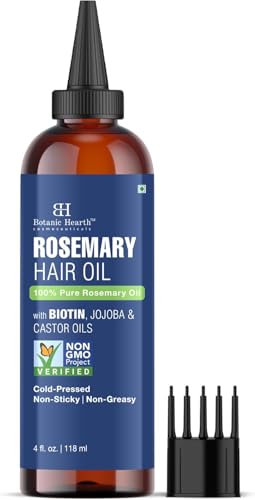

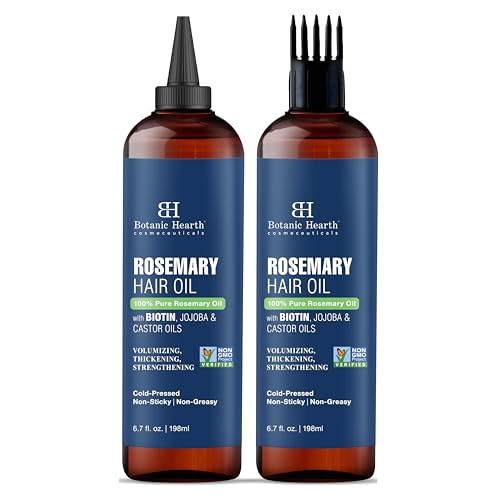
- Best For: Thinning hair, androgenetic alopecia, and scalp detoxing.
- Usage Tip: Always dilute pure rosemary essential oil in a carrier like Jojoba, or opt for a pre-blended bestseller like the Mielle Organics Rosemary Mint Strengthening Oil.
Batana Oil: The “Miracle Oil” of 2026
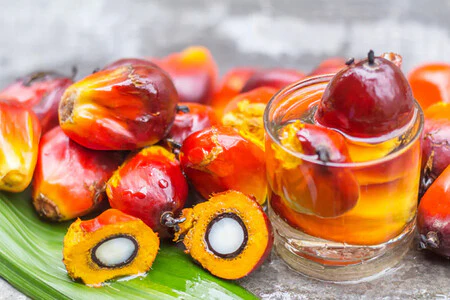
Hailing from the La Mosquitia region of Honduras, Batana oil has taken social media by storm. Unlike traditional oils, it often comes in a thick, buttery form that melts upon contact. It is rich in Vitamin A and Omega-6 fatty acids, making it a “repair and grow” hybrid.
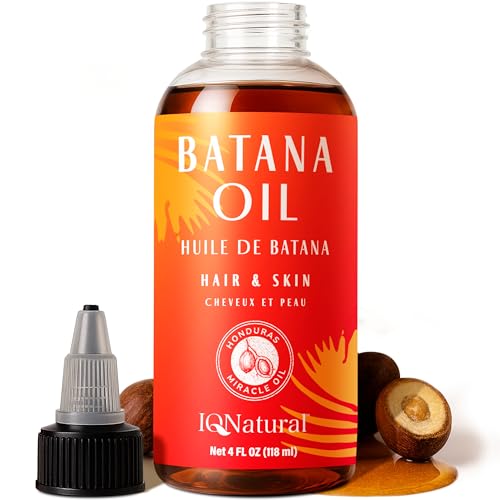
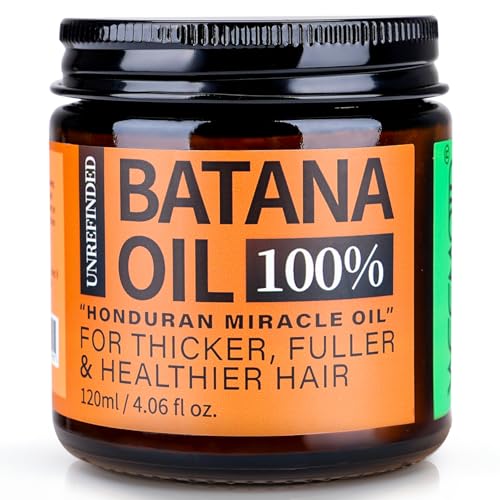
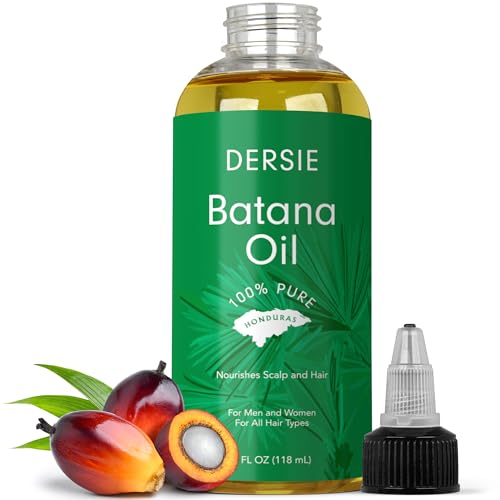

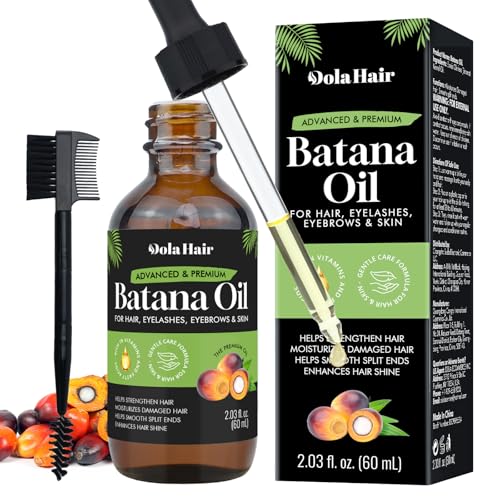
- Best For: Severely damaged hair, bald spots and extreme length retention.
- Trending Benefit: It provides a protective barrier that prevents breakage, allowing hair to reach its terminal length.
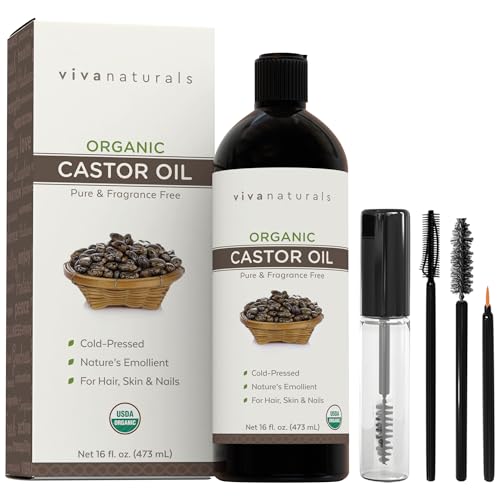
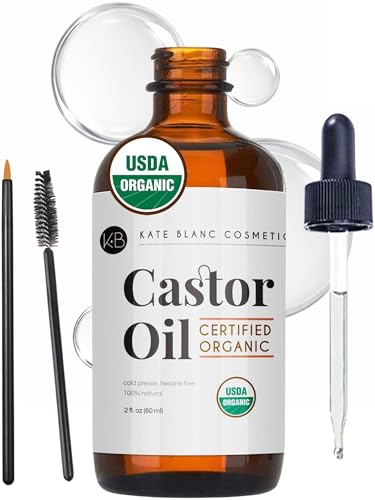
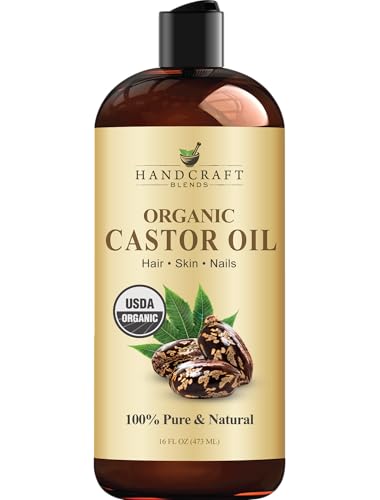
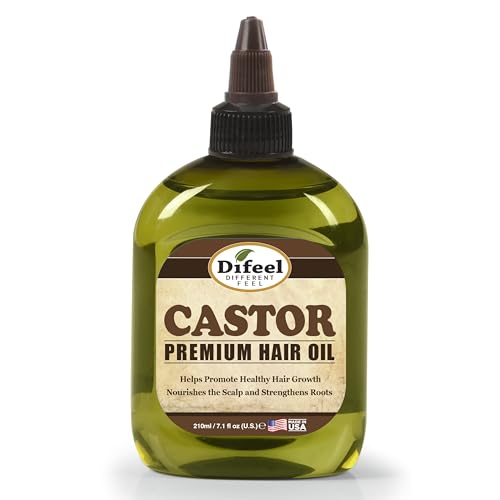
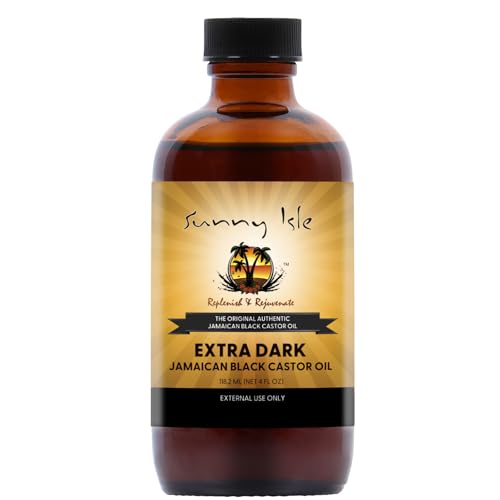
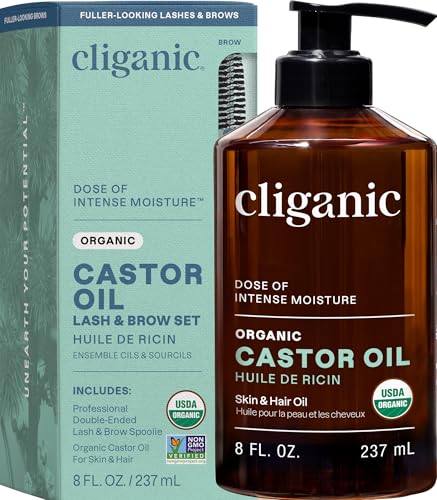
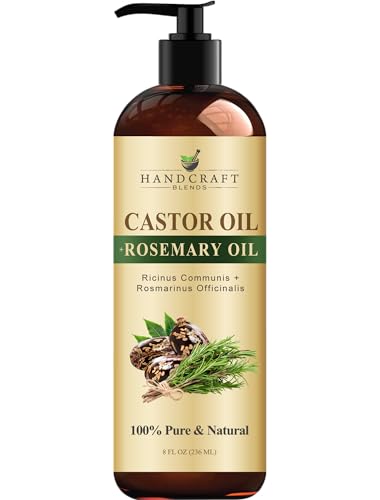
Castor Oil for Hair: The Thickness Standard
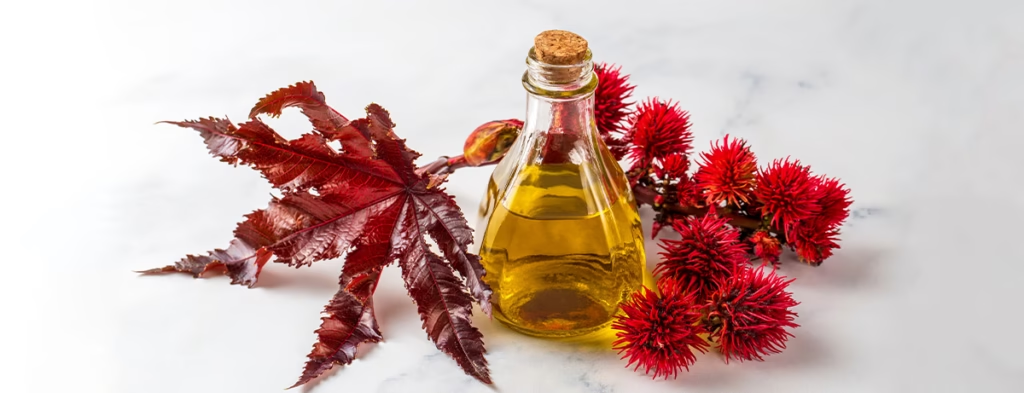
Castor oil for hair remains a staple for thickening the appearance of the hairline and eyebrows. Its ricinoleic acid content provides anti-inflammatory properties that soothe the scalp while providing a heavy-duty moisture seal. It is a dense, high-viscosity oil often used in synergy with lighter oils to prevent clogging.


2. The Regional Secret: Japanese Oil
A major trend in 2026 is the global adoption of ancient regional oils, specifically those from Japan.
Japanese Oil: Rice Bran & Camellia
Japanese Oil blends, are trending for their “weightless shine” properties.
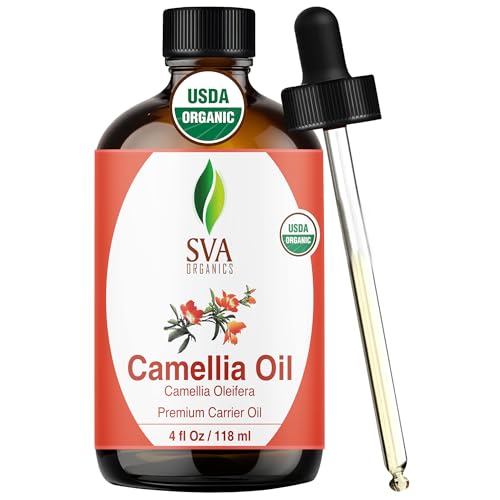
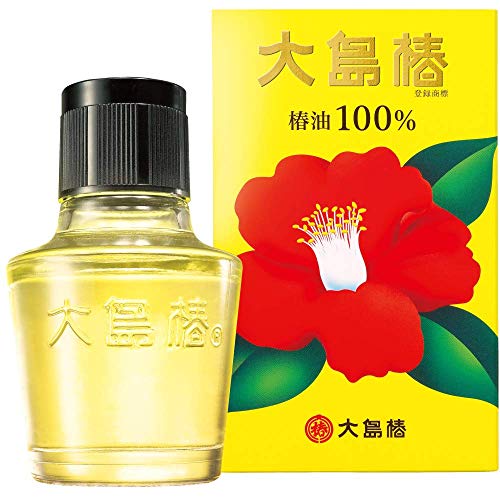
- In 2026, the global beauty community has shifted its obsession from “glass skin” to “glass hair”, and Japanese Oil blends are at the heart of this movement. Unlike heavy Western oils that can leave strands looking stringy or flat, Japanese formulations—often featuring Tsubaki (Camellia)—utilize advanced nano-emulsion technology. This science allows the oil to be broken down into microscopic droplets that penetrate the hair cuticle instantly, providing a mirror-like shine that feels as light as air.
3. The Multi-Taskers: Coconut, Marula and Beard Oil
For many, the goal isn’t just growth but also maintenance and grooming across different areas—including facial hair.
Coconut Oil for Hair: The Protective Base
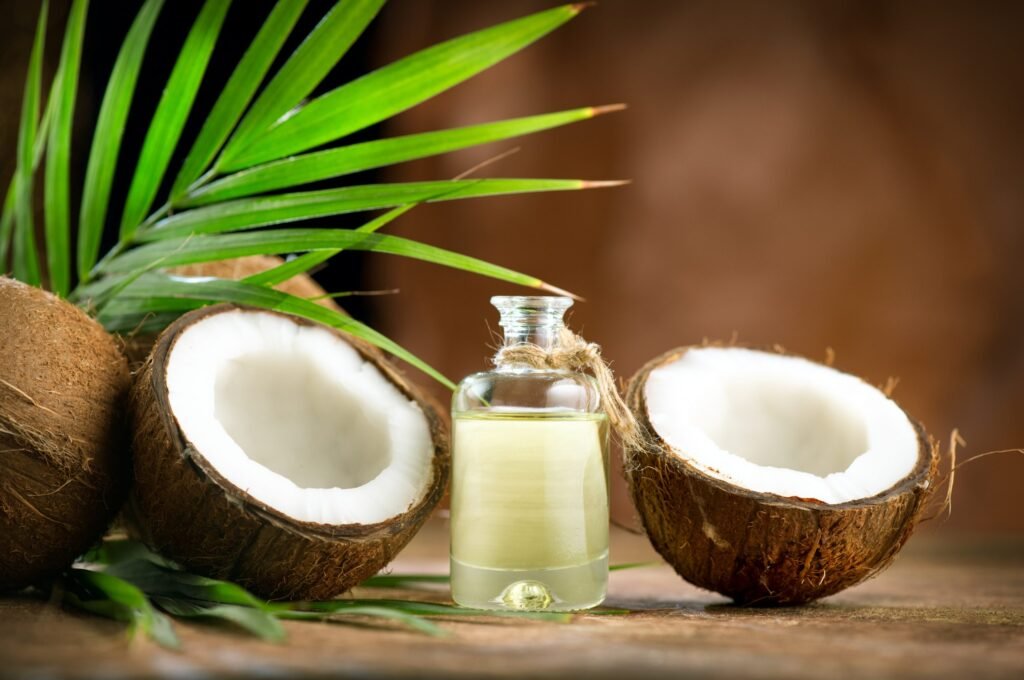
Despite the rise of exotic ingredients, coconut oil for hair remains the world’s most popular pre-wash treatment. It is one of the few oils proven to penetrate the hair shaft and reduce protein loss during washing.

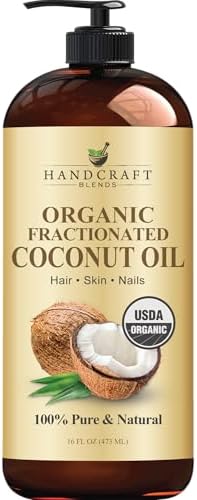

- Pro Tip: Use extra-virgin coconut oil as a “pre-poo” (pre-shampoo) treatment to prevent “hygral fatigue”—the weakening of hair caused by repeated swelling and drying.
Marula Oil: The Luxury Lightweight


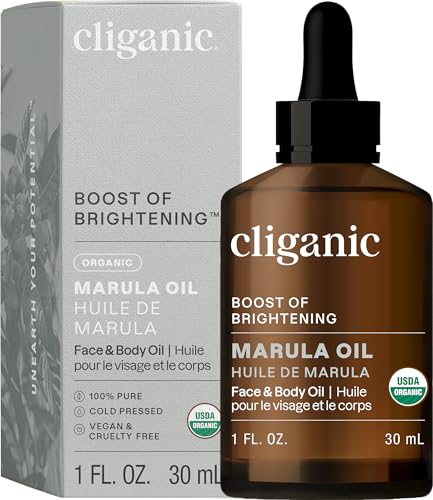
Marula oil has become the “high-end” alternative to Argan. Harvested from the fruit of the Marula tree in South Africa, it is incredibly high in Vitamin C and E. It is a “dry oil” that absorbs faster than almost any other lipid, making it the perfect finishing oil for fine hair.
The Rise of the Specialized Beard Oil

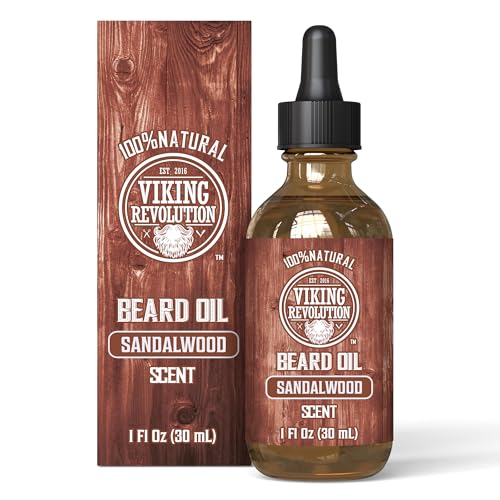
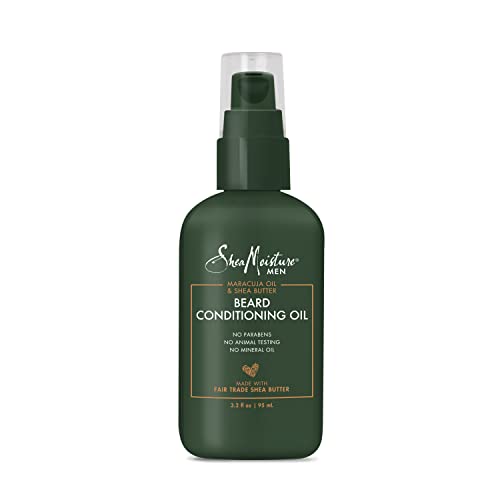
The grooming market has seen a surge in high-performance beard oil. Unlike scalp oils, a quality beard oil must be non-comedogenic to prevent “beardne” (acne under the beard) while softening coarse facial hair. Ingredients like Jojoba, Cedarwood, and Argan are common, but 2026 formulas now incorporate growth peptides to fill in patchy areas.
4. Jojoba Oil: The Great Scalp Balancer
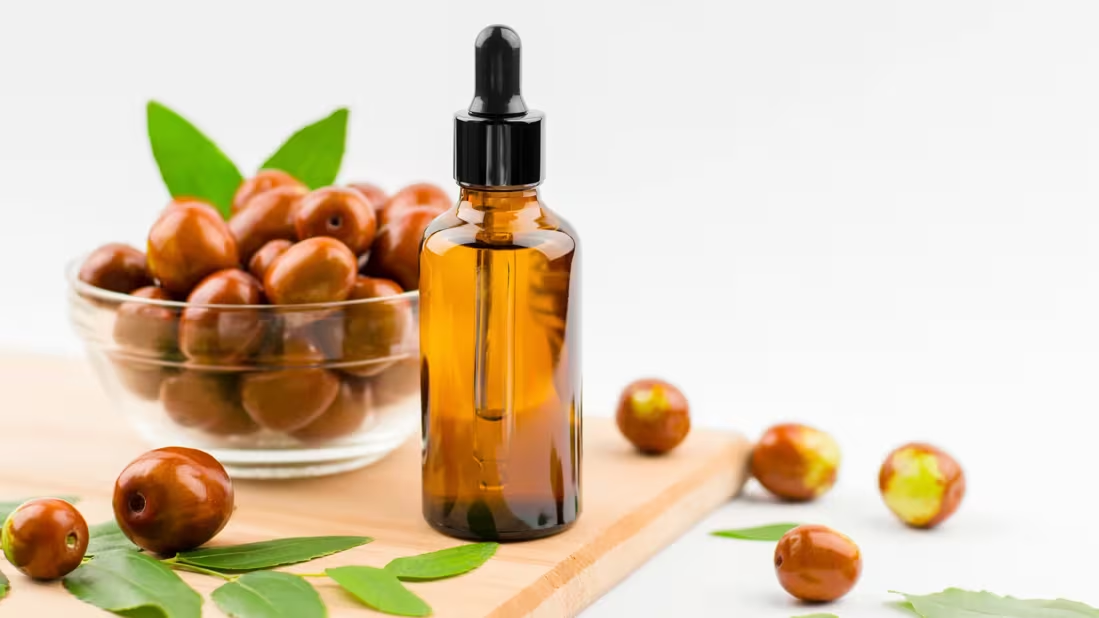
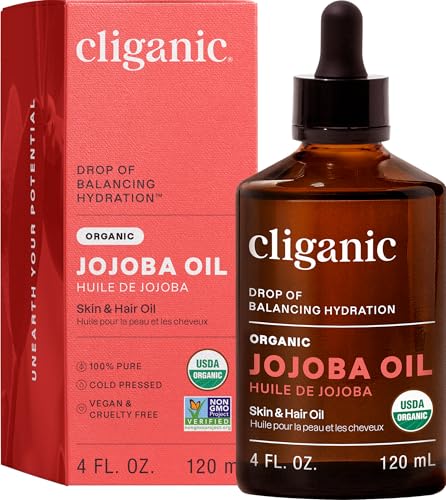
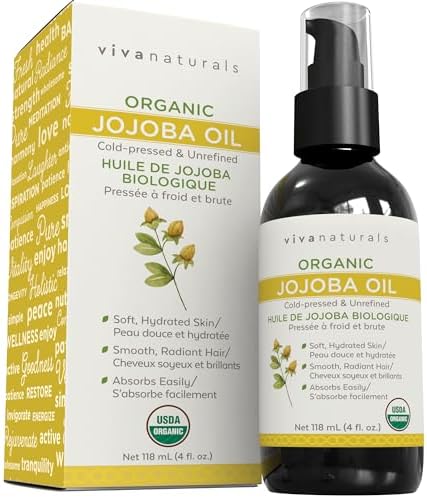
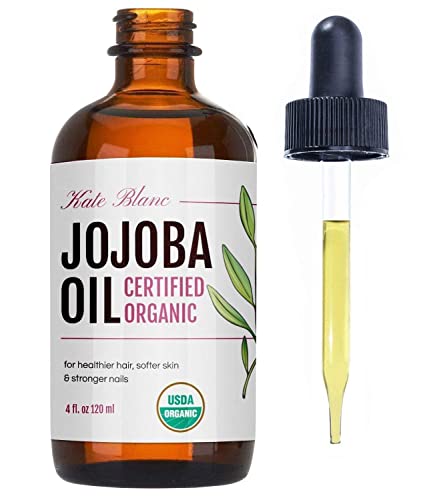
Jojoba oil is technically not an oil, but a liquid wax ester extracted from the seeds of the Simmondsia chinensis plant, a shrub native to the Southwestern United States and Northern Mexico. It is uniquely prized in the beauty industry because its chemical structure almost perfectly mimics human sebum, the natural oil produced by our skin and scalp. This biocompatibility allows it to penetrate deeply without feeling greasy or clogging pores, making it an ideal carrier for hair growth oil blends. Because it can “trick” the scalp into thinking it has produced enough oil, it is often used to balance sebum production in individuals with oily hair, while simultaneously providing a protective, moisture-locking barrier for those with dry or brittle strands.
5. How to Choose Based on Your Hair Porosity
Understanding hair porosity is vital for the modern hair care consumer. It determines how your hair absorbs and retains the hair growth oil you apply.
High Porosity (Damaged/Curly)
- The Problem: Hair has gaps in the cuticle; moisture enters and leaves too quickly.
- The Solution: Heavy oils like Coconut oil, Shea, and Batana. These “seal” the gaps.
Low Porosity (Healthy/Shiny but Resistant)
- The Problem: Cuticles are tight like shingles on a roof; oils sit on top and look greasy.
- The Solution: Lightweight, penetrative oils like Marula, Rice oil, and Japanese oil. Using heat (a warm towel) helps these oils penetrate the tight cuticle.
6. Which Oil Do You Need?
| Hair Goal | Trending Ingredient | Recommended Product Type |
| Rapid Hair Growth | Rosemary & Batana | Stimulating Hair growth oil |
| Traditional Repair | Amla & Bhringraj | Adivasi hair oil |
| Glass Hair Shine | Rice bran oil | Japanese Oil Serum |
| Protein Protection | Lauric Acid | Coconut oil for hair |
| Facial Hair Grooming | Jojoba & Argan | Premium Beard oil |
| Slick Styling | Beeswax & Micro-oils | Pomade pomade |
Your Hair, Your Journey.
The “best” hair oil isn’t the one with the most followers on social media—it’s the one that matches your specific hair porosity and scalp needs. In 2026, the trend is moving away from heavy, single-ingredient kitchen oils toward multi-functional, lightweight blends.
Whether you are looking for an adivasi hair oil to honor ancient traditions or a high-tech marula serum for a weightless finish, always remember that consistency is the key to results. Scalp health is a marathon, not a sprint.